Artificial intelligence is often introduced as a technical subject and then expected to make sense everywhere else. It is discussed through tools, systems, updates and performance. But the places where AI is actually being felt are much wider: classrooms, creative processes, communication workflows, professional decisions and everyday digital life.
Because AI literacy does not become more meaningful only when it reaches more people. It becomes more meaningful when it is shaped by more ways of thinking. If AI is already influencing how people learn, create, communicate and make decisions, then understanding it cannot remain confined to technical silos. It needs to cross disciplines. A purely technical approach may help people interact with AI, but it does not automatically help them interpret it. It does not always help them recognise its limits, understand its influence, or question the assumptions built into the systems they are using. That is why disciplinary crossing matters so much.
When AI literacy includes perspectives from education, communication, creativity and critical thinking, it becomes more grounded in the real contexts where people encounter these technologies. It stops being reduced to tool fluency alone and starts becoming a richer way of understanding how AI shapes human environments, knowledge practices and social decisions.
This is not about replacing technical knowledge. It is about recognising that technical knowledge alone cannot carry the whole conversation.
One of the reasons this matters is simple: AI does not arrive as an isolated subject. It arrives inside existing contexts. In education, it reshapes how students search, write, organise ideas and relate to information. In communication, it influences visibility, speed, trust and the way messages are produced and interpreted. In creative work, it raises new questions around process, authorship, inspiration and value. And in everyday life, it appears through recommendation systems, automated decisions and digital interfaces that affect what people see, what they are offered and how they are assessed.
There is also an important educational reason for this. When AI is framed only through technical confidence, many people are positioned at the edge of the conversation from the start. It can begin to feel like a subject that belongs to specialists, while everyone else is expected to catch up from the outside. But if AI is shaping environments that belong to all of us, then education around AI should not feel like entry into someone else’s language. It should feel relevant, legible and connected to real questions people already have in their own fields and lives.
This is where interdisciplinary approaches make a difference. They create more entry points. They make understanding more inclusive. And they help AI literacy become something more participatory, rather than something passively received.
Meaningful AI literacy should do more than help people use systems. It should help them ask better questions, recognise where human judgement still matters, and understand how technology interacts with learning, creativity, communication and decision-making. It should also help people see AI not only as a set of tools, but as part of wider digital, social and ecological transformations. The question is not simply how AI can make tasks faster, but how it can be understood, questioned and shaped in ways that remain connected to human agency, cultural diversity, sustainability and democratic values.
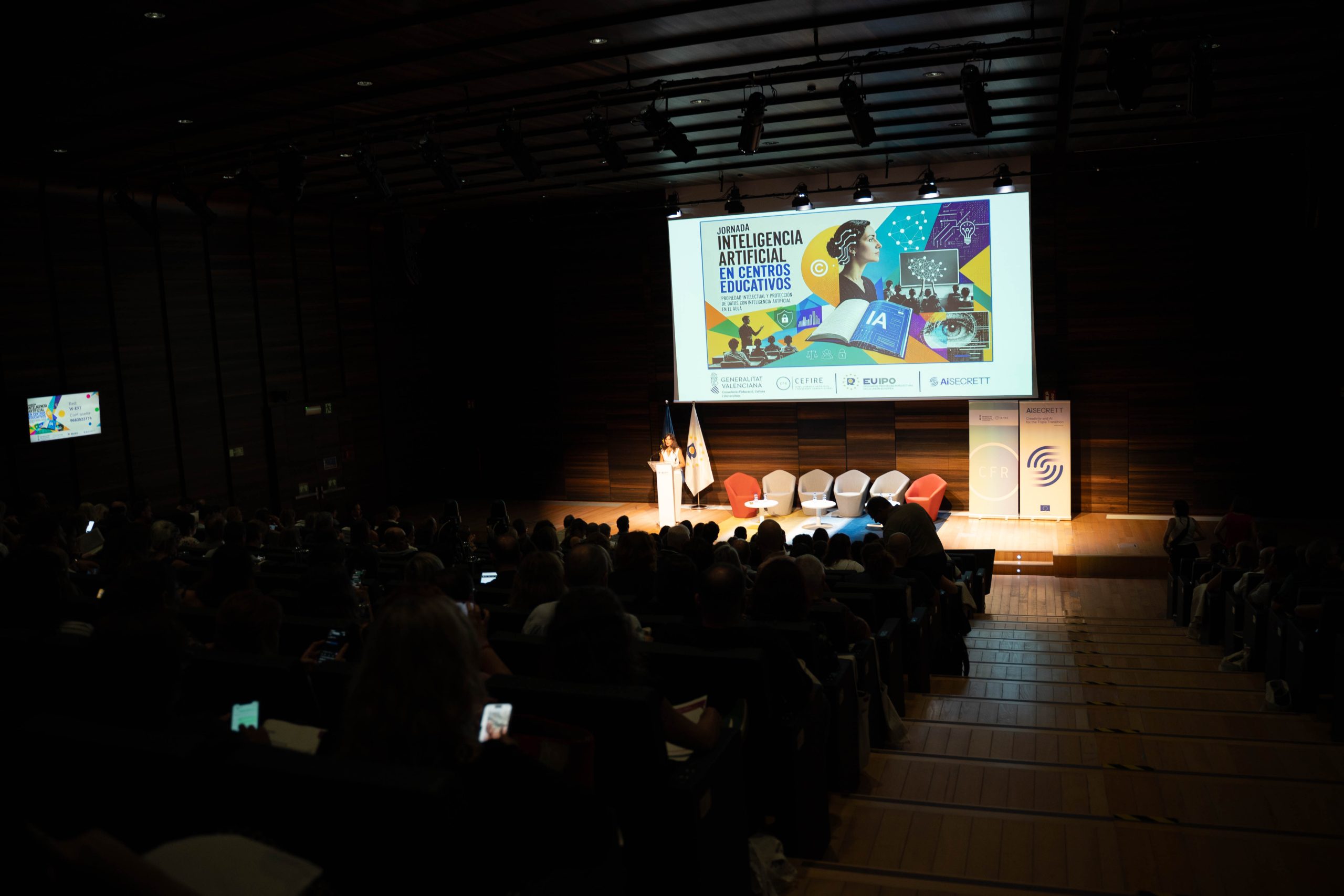
At AI-SECRETT, this perspective forms part of a wider conversation around AI, education and creativity. As AI continues to evolve across sectors and disciplines, the challenge is not only to make these technologies more available. It is also to make learning around them more thoughtful, more connected and more relevant to the worlds people actually inhabit.
AI literacy becomes more meaningful when it crosses disciplines because AI itself is already crossing them. And if that is the reality, then the conversation around AI should not stay only technical. It should also remain educational, creative and deeply human.