Exploring machine learning through artistic practice
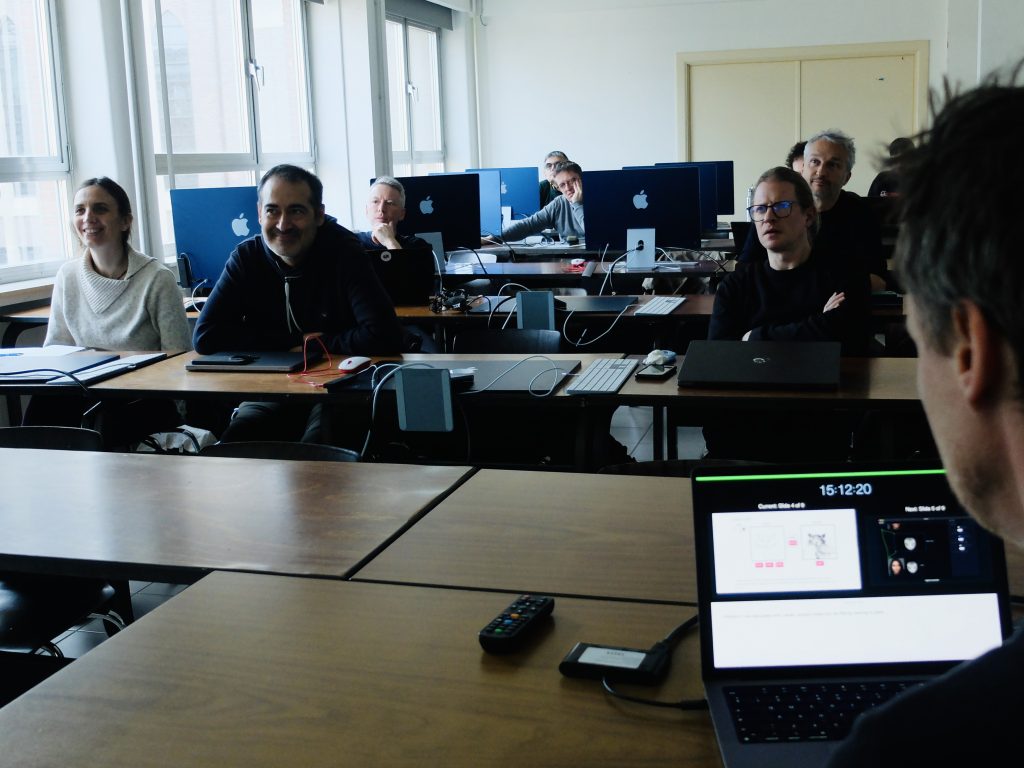
On 12 and 13 March, AI-SECRETT held the workshop Machine Learning workshop with the Algorithmic Gaze at Sint Lucas Antwerpen, Belgium. Coordinated by Dominique Cunin and Frederik De Bleser, the activity brought together participants in a practice-based setting focused on the relationship between machine learning, artistic experimentation and creative processes.
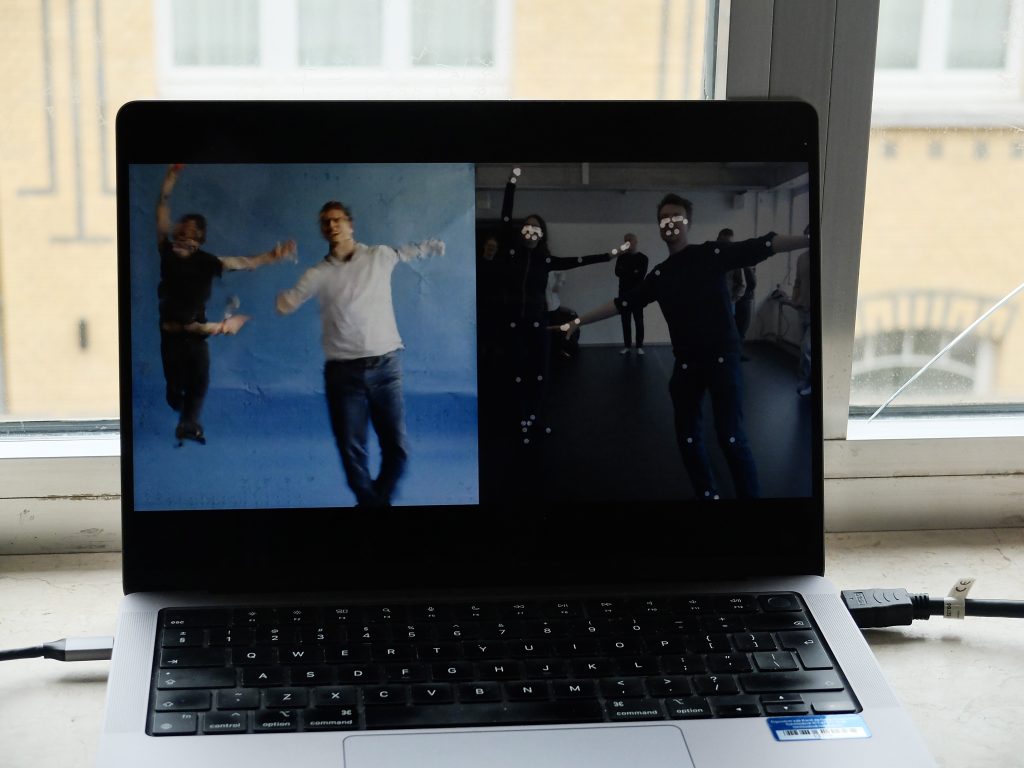
The workshop was conceived as an opportunity to move beyond the most mainstream uses of AI and offer participants a more hands-on understanding of how machine learning can be integrated into artistic work. At its core was the development of personalised image-to-image models based on custom datasets created by the participants themselves. The programme covered key stages including dataset collection, segmentation, dataset preparation using the open-source tool Figment, cloud-based model training, model inference and installation setup.
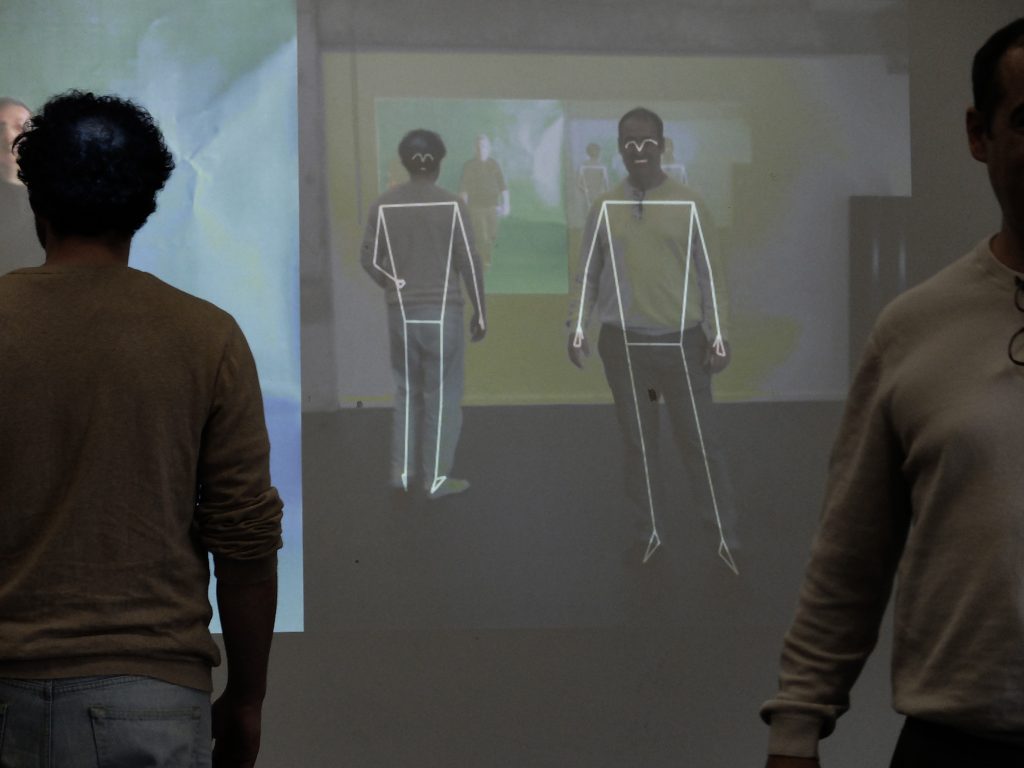
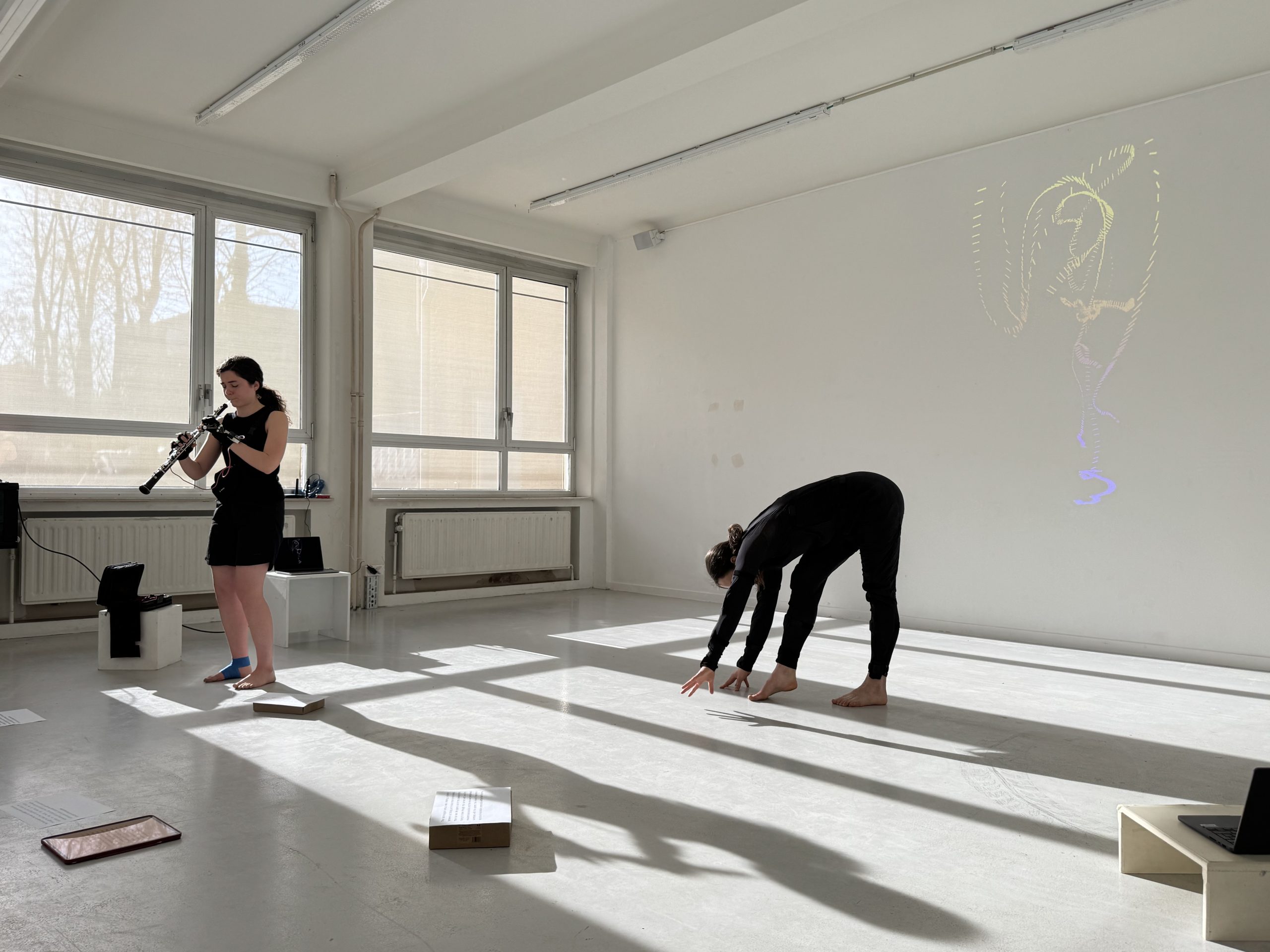
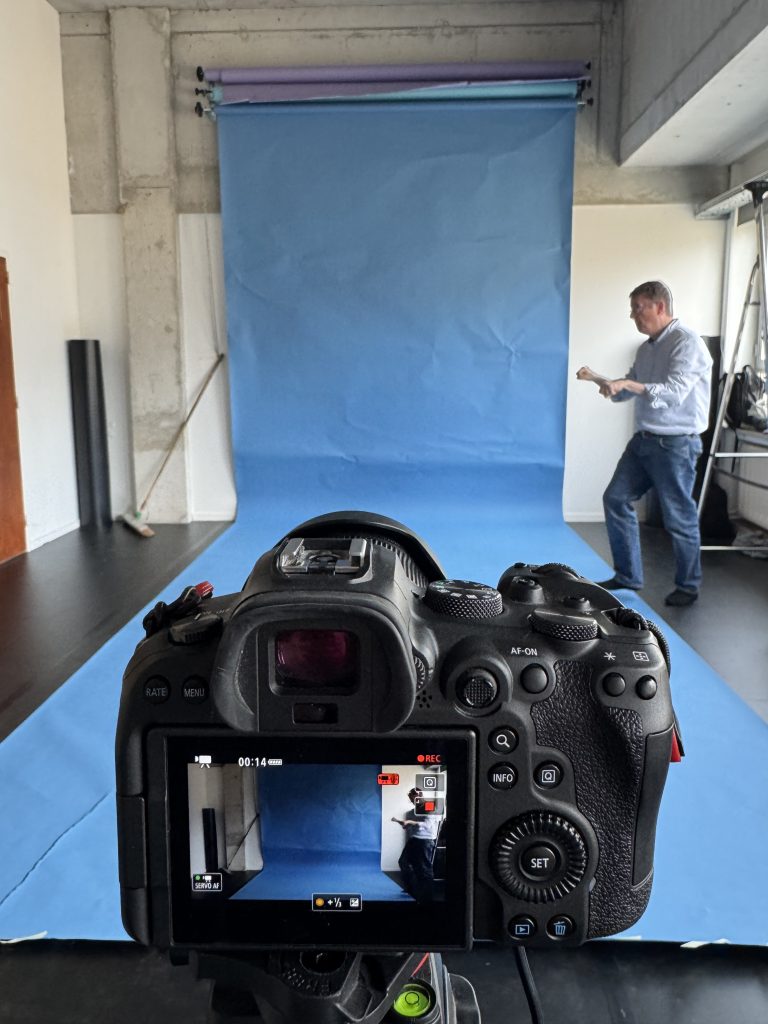
One of the workshop’s distinctive features was its emphasis on movement and embodied creation. The datasets were built from video recordings of participants’ own movements in front of a monochrome background, creating a framework in which gesture and physical expression became the basis for both technical exploration and artistic enquiry. In this way, the workshop combined applied learning with a broader reflection on how creative practices can engage with AI tools in a more intentional and situated way.
Experimentation, technical learning and reflection
Across the two working days, participants took part in both theoretical and practical sessions. After warm-up movement exercises and dataset recording, the programme introduced AI-related concepts and image segmentation before moving into model preparation. The second day focused on inference, real-time installation setup and custom design experimentation, concluding with open presentations of the work developed during the workshop.
“This workshop was an occasion to dive into both the aesthetic potential of AI technologies and their technical reality.”
– Dominique Cunin
This reflection, shared by Dominique after the workshop, captures one of the activity’s key contributions within AI-SECRETT: creating a space where experimentation was closely linked to a deeper understanding of how AI tools work and how they may be approached critically in artistic and educational contexts.
Within the project, the workshop was especially relevant as an opportunity to connect technical learning with questions of artistic agency, critical understanding and creative autonomy. It also pointed to a broader challenge for art and design practitioners: not to remain only in the position of technology users, but to develop the capacity to understand, shape and work with these systems in a more active way.
This perspective aligns closely with AI-SECRETT’s wider aims of strengthening advanced digital competences and fostering critical, creative and future-oriented approaches to AI. In this sense, the Antwerp workshop provided a concrete space for experimentation while also contributing to the project’s broader reflection on how emerging technologies can support learning, creativity and interdisciplinary exchange.
As part of the project’s early stages, the workshop also helped consolidate shared knowledge across the consortium. Its documentation included note-taking, interviews, photographs and records of the final presentations, with the aim of capturing insights that may support future project development and learning content.
By bringing together machine learning, embodied practice and collaborative experimentation, the workshop offered a valuable example of how AI-SECRETT is exploring the connections between technology, creativity and education in a European context.
Photo credits: Cèlia Tort Pujol (@celiatortpujol) and Frederik De Bleser (@enigmeta).