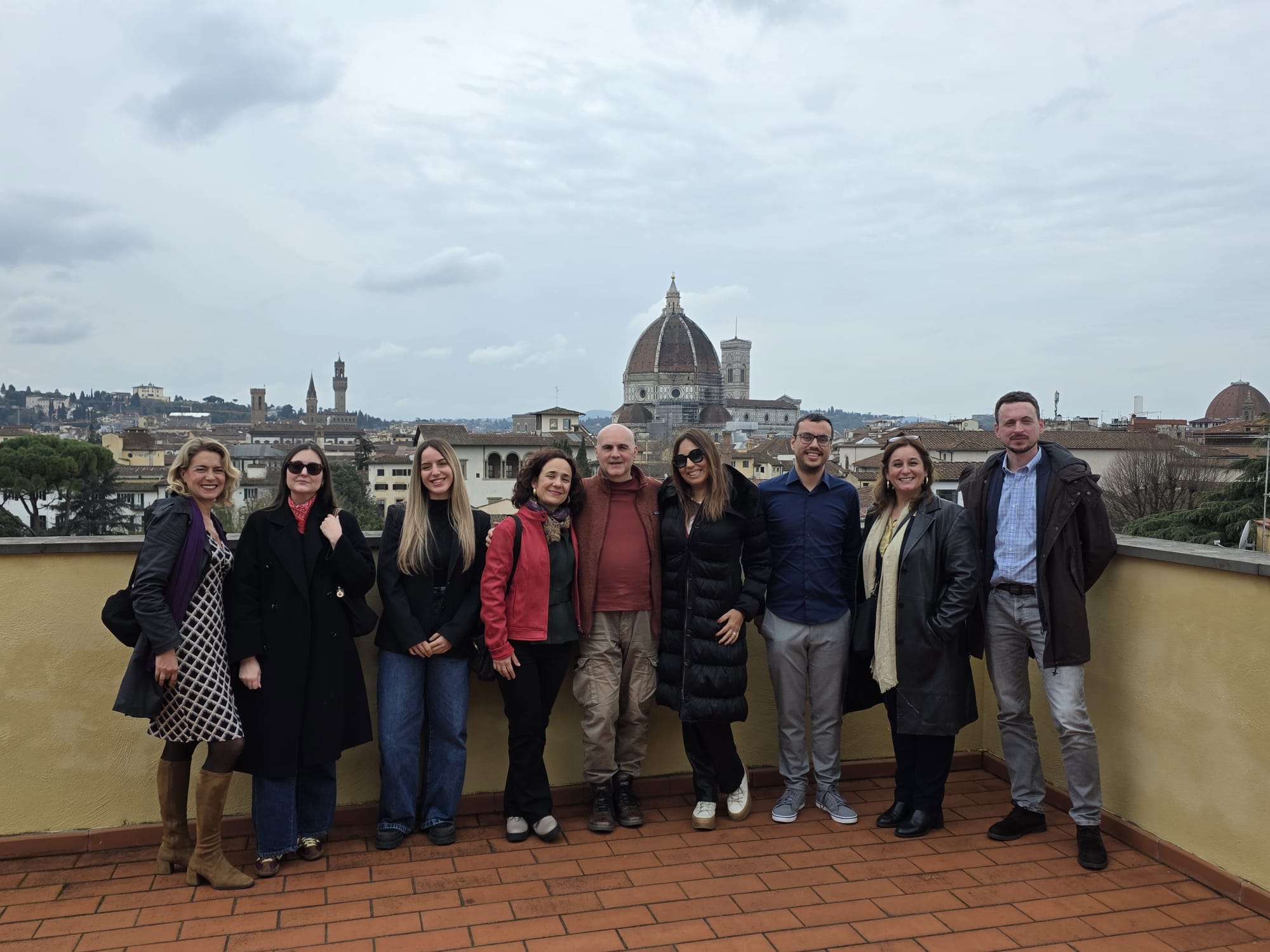
The event brought together researchers and specialists to reflect on the connection between artificial intelligence, digital well-being and higher education, and included the participation of several members of the AI-SECRETT project: Rocío Zamora Medina (University of Murcia), Juan Miguel Aguado Terrón (University of Murcia), María del Mar Grandío (University of Murcia) and Jordi Sanjuan Belda (University of Valencia). The workshop opened up an interdisciplinary space for dialogue around one of the most pressing questions facing universities today: how to engage with AI in ways that support not only innovation and efficiency, but also digital well-being, ethical awareness and pedagogical responsibility.
From the perspective of AI-SECRETT, this conversation is especially relevant. One of the project’s key concerns is the development of more human-centred approaches to artificial intelligence, grounded in advanced digital skills, creativity, critical thinking and social responsibility. In this sense, the Florence workshop resonated strongly with broader questions that AI-SECRETT is also addressing through its educational and research agenda.
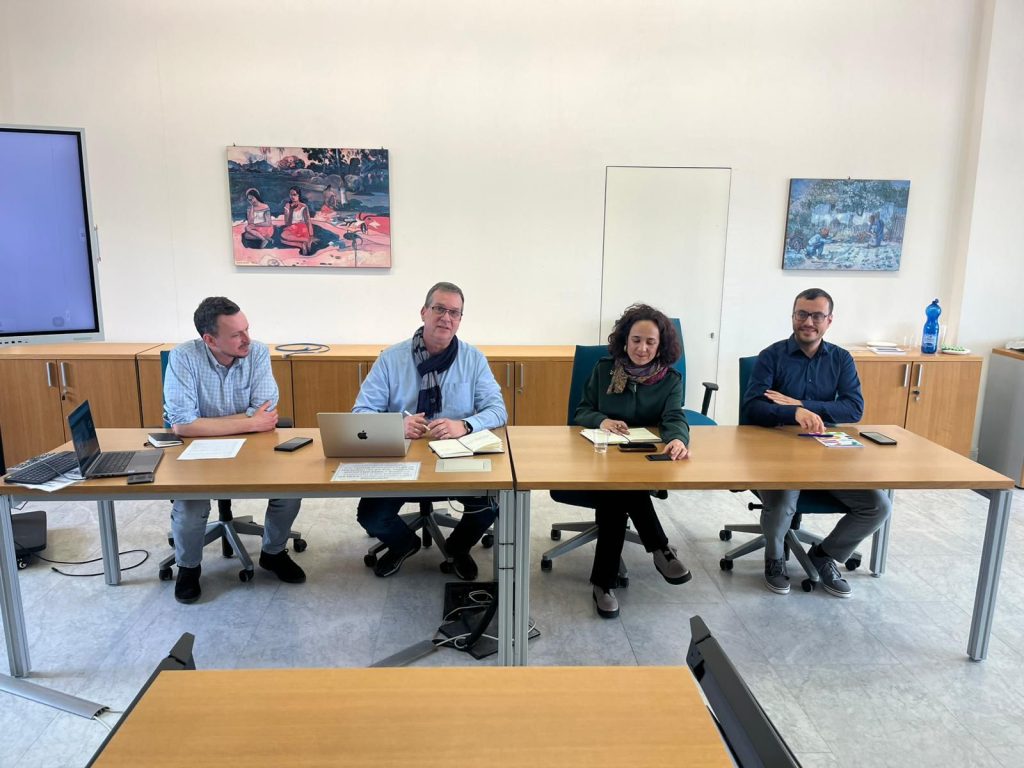
The programme included several contributions by members of the AI-SECRETT project, reflecting its wider academic ecosystem. The event featured two keynote speakers: Prof. María del Mar Grandío (University of Murcia) and Dr. Jordi Sanjuan Belda (University of Valencia). In addition, a round table on the future of artificial intelligence and digital well being in higher education was moderated by Prof. Juan Miguel Aguado Terrón (University of Murcia). During this discussion, Aguado emphasized that technology is not neutral, but shaped by design and affordances. He argued that technology should not be understood merely as a platform, but as a tool that actively transforms its users. From this perspective, he advocated for a stronger ethical approach to the development and implementation of AI in educational contexts.
Beyond individual interventions, the workshop as a whole pointed to a broader shared concern: artificial intelligence is not only transforming educational tools, but also reshaping attention, learning environments, institutional responsibilities and the everyday experience of students and educators. Discussions on digital well-being, therefore, cannot be separated from questions of AI literacy, pedagogical design and critical reflection.
This wider perspective is closely aligned with the spirit of AI-SECRETT. The project is grounded in the idea that the future of artificial intelligence in Europe must be approached through interdisciplinary collaboration and through educational models capable of responding to the digital, social and cultural dimensions of technological change. In this context, conversations around well-being, responsibility and meaningful engagement with AI are not peripheral to the project; they are part of the wider environment in which AI-SECRETT is developing its work.
The Florence workshop also highlighted the value of international academic exchange. By bringing together participants from different universities and research contexts, it created a space for presenting ideas, comparing perspectives and identifying shared challenges around artificial intelligence and higher education. Encounters of this kind are essential for building the collaborative environments in which projects such as AI-SECRETT can grow, connect and remain responsive to emerging debates.
For AI-SECRETT, participation in this type of forum helps reinforce an important message: preparing for AI-rich futures in education requires more than technical adaptation. It also requires reflection, dialogue and critical inquiry into the social, ethical and human implications of these technologies.
Workshops like this one help keep that conversation active — and AI-SECRETT will continue to engage with the debates shaping the future of artificial intelligence in education and across wider European contexts.